MARCH 12, 2022 – Denver, CO – FullContact (www.fullcontact.com), the industry leader in consumer identity resolution as a service, today announced a revamped suite of employee benefits, from 100% company paid healthcare to unlimited VTO to vacation bonuses and more.
Michelle Warren, FullContact’s Vice President of Global Human Resources, says, “We believe awesome employees deserve awesome benefits. At FullContact, we know life is about so much more than work. We want our employees not just to be taken care of but also to spend time with their family and friends, focus on their hobbies and passions, travel, and volunteer. Work is only part of a healthy and balanced lifestyle. We wanted to reflect that in our employee benefits package. That’s why we came up with FullContact’s FULLRewards.”
FULLRewards: Equity, Bonuses, and Remote-First Support
The FULLRewards benefits package currently includes:
-
- Competitive compensation
- Equity for new hires
- 401(k) retirement plan with a company match (after a year)
- Company bonus plan
Embracing a remote-first mentality, FullContact is on the path to attracting talent from all around the country. To do so, they offer a $1000 toward home office set-up and a $200 monthly work from home reimbursement.
Comprehensive Health: 100% Employer-Paid Coverage and Mental Well-Being
Knowing that a healthy employee is a happy, productive employee (and acknowledging that extends to family members), FullContacts offers 100% employer-paid medical, dental, and vision for employees and all dependents. Additionally, they provide a company-funded Health Reimbursement Account (HRA) to help cover out-of-pocket medical, dental, and vision expenses.
FullContact also offers its employees access to an Employee Assistance Program, connecting them with anonymous mental health resources 24/7. There are also a variety of Life and Disability coverage options.
FULLBalance: Families-First Scheduling and Paid Vacation Incentives
Warren said, “At FullContact, we take a Families-First approach to scheduling. We operate in global time zones, from coast to coast in the US and India, so the ‘usual’ 9–5 schedule really doesn’t apply—unless that works for our team members.”
But eschewing a typical 9–5 work schedule doesn’t mean FullContact expects their employees to always be on call. Warren continued, “We advocate for FullContacters to block time on their calendar to take care of themselves and their family as well as take advantage of the time-off benefits available. Overworked, burnt-out, unhappy employees are the last thing we want.”
The FULLBalance portion of the employee benefits package includes:
-
- Unlimited VTO (with at least three weeks off per year encouraged)
- FULLBalance Vacation Bonus (a lump sum bonus paid to eligible employees to embolden them to take a real vacation)
- 26 Company Holidays
- Volunteer Time Off
- Summer ½ Day Fridays.
- 6 Weeks Paid Parental Leave (eligible on day 1)
- 12 Weeks Paid Maternity Leave (eligible on day 1)
- Paid Sick & Bereavement Leave
Warren said that they’re not done rolling out new benefits. “In the near future, we’re rolling out a peer-to-peer recognition program and SkillFULL personalized employee training to empower each employee’s growth and success. We want to help our employees develop both personally and professionally, here at FullContact—and beyond.”
About FullContact
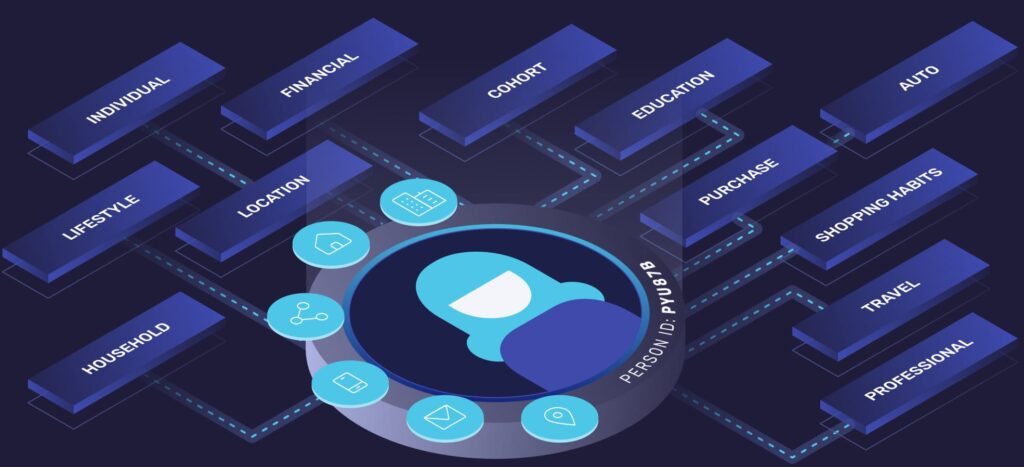
FullContact is the privacy-safe identity resolution company helping brands to build better relationships with their customers—while also putting people and brands in control of their information. Our patented identity graph enables accurate, secure identity resolution for more than one billion people globally. FullContact delivers the capabilities needed to create tailored customer experiences by unifying data and applying insights in the moments that matter.
For more information, please visit fullcontact.com.
Contact Information:
press@fullcontact.com