Personally identifiable information (PII) management is governed by a set of core principles that guide how organizations collect, store, process, and protect data that can identify an individual. These principles exist to balance business needs with individual privacy rights and are increasingly shaped by regulations like GDPR, CCPA, and similar frameworks. The sections below unpack the most important questions around PII management.
What types of data are considered PII?
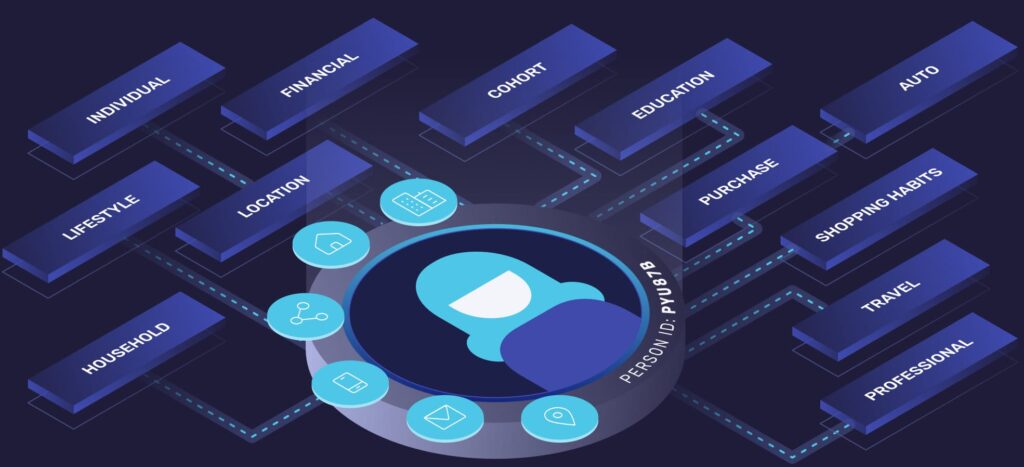
PII refers to any information that can be used, alone or in combination with other data, to identify a specific individual. This includes obvious identifiers like full names, email addresses, phone numbers, and government-issued ID numbers, as well as less obvious ones like IP addresses, device identifiers, location data, and behavioral patterns that can be linked back to a person.
Organizations often distinguish between two categories of PII. Direct identifiers are data points that identify someone on their own, such as a Social Security number or passport number. Indirect identifiers are data points that become identifying when combined, such as a ZIP code paired with a birth date and gender. Both categories require careful handling.
It is worth noting that what counts as PII is not static. Context matters enormously. An anonymous user ID may be non-PII in isolation, but if it can be linked to a real person through other data in your systems, it effectively becomes PII and should be treated accordingly.
How should organizations classify and inventory their PII?
Organizations should classify PII based on sensitivity and risk, then maintain a living inventory of where that data lives, how it flows, and who can access it. A structured data classification framework typically assigns tiers, ranging from general business data to highly sensitive personal information, with controls that match each tier’s risk level.
A practical PII inventory process involves:
- Mapping every system, database, and third-party integration that touches personal data
- Tagging data fields by type and sensitivity level
- Documenting the legal basis for collecting and processing each category
- Assigning data ownership and access controls at the field or record level
Keeping this inventory current is just as important as creating it. Data environments change quickly, and an outdated inventory can create blind spots that expose the organization to compliance risk.
What are the core principles that govern PII handling?
The core principles of PII data management are purpose limitation, data minimization, accuracy, storage limitation, integrity and confidentiality, and accountability. Together, these principles form the backbone of responsible data handling and are reflected in most major privacy regulations worldwide.
Purpose limitation means collecting PII only for a specific, stated reason and not repurposing it without fresh consent. Data minimization means collecting only what is genuinely needed. Accuracy requires keeping records up to date and correcting errors promptly. Storage limitation means retaining data only as long as necessary. Integrity and confidentiality demand appropriate technical and organizational safeguards. Accountability places responsibility on the organization to demonstrate compliance, not just claim it.
How FullContact helps with PII data management
We built our identity resolution platform with privacy-safe data handling at its core, which means PII management is not an afterthought but a foundational design principle. Our Resolve platform helps organizations apply the principles above in practice by:
- Linking fragmented identifiers into unified customer profiles without exposing raw PII across systems, powered by a robust identity graph
- Enabling real-time identity resolution while maintaining strict data governance boundaries
- Appending enriched insights to customer records in a privacy-compliant manner
Whether you are working to improve data accuracy, reduce redundancy, or build a cleaner identity foundation for personalization and compliance, we are here to help. Feel free to contact us to explore how our platform fits your PII management needs.